
Skip to content
  • Home
  • Art Tours
    • Palya Art Tours
    • Next Art Tours
    • Maps
    • Booking Information
    • What to Bring
    • Suggested Reading
    • Testimonials
  • Online Gallery
    • Sales Gallery
    • Terms of Sale
    • Selling Your Artwork
  • About
    • Palya Art
    • Helen Read
    • Palya Meaning
  • Archive
    • Palya Art Tours
    • Palya Art
  • Past Sales
  • Contact
Palya Art
  • Home
  • Art Tours
    • Palya Art Tours
    • Next Art Tours
    • Maps
    • Booking Information
    • What to Bring
    • Suggested Reading
    • Testimonials
  • Online Gallery
    • Sales Gallery
    • Terms of Sale
    • Selling Your Artwork
  • About
    • Palya Art
    • Helen Read
    • Palya Meaning
  • Archive
    • Palya Art Tours
    • Palya Art
  • Past Sales
  • Contact
Palya Art

Click image for expanded view

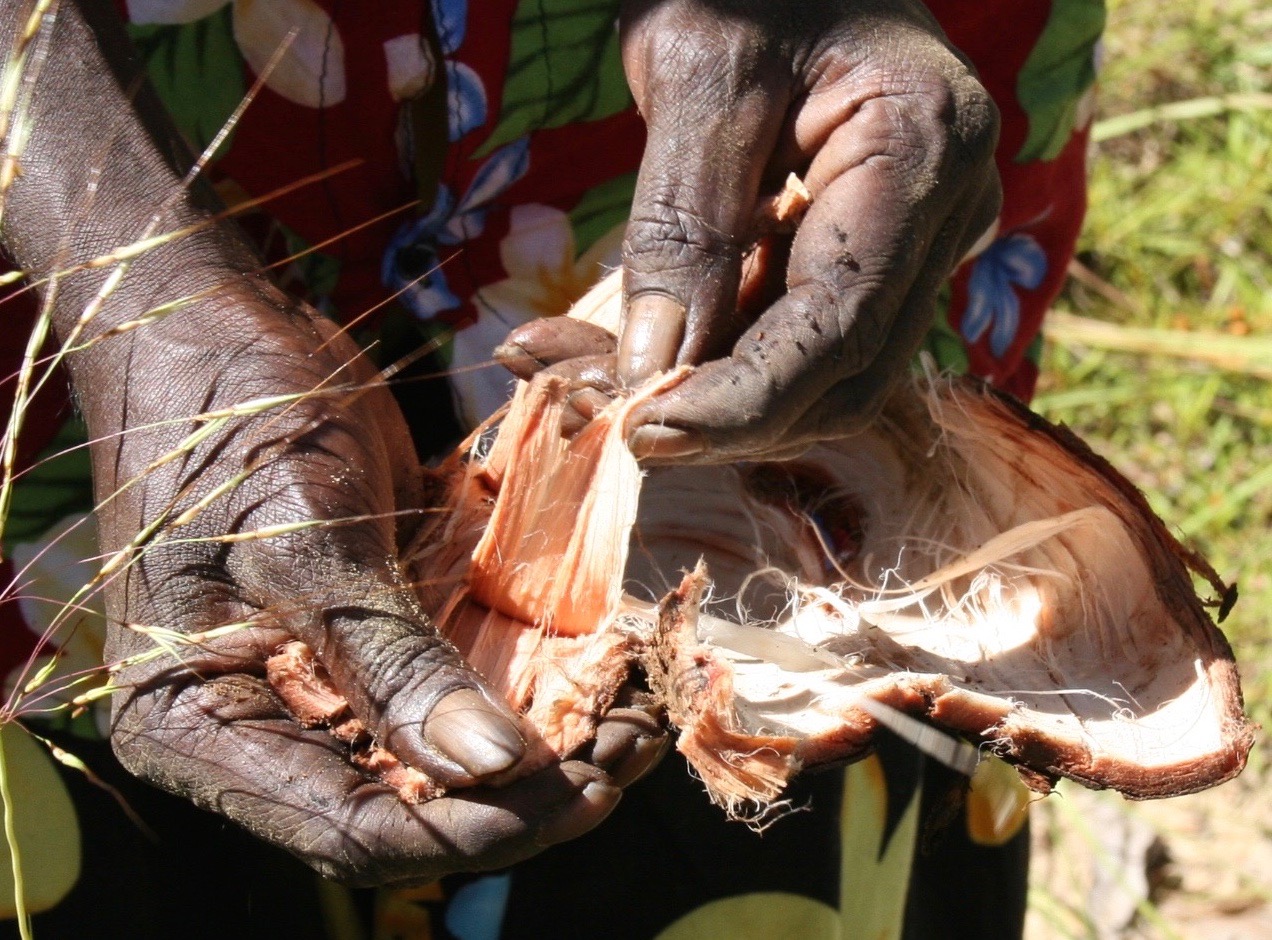
Preparing bark fibres in Arnhem Land for basket weaving

Preparing bark fibres in Arnhem Land for basket weaving

  • HelenHelen
  • December 21, 2025

Maningrida Arts & Culture write on their website 2025 “Works in fibre from the Maningrida region are widely recognised as some of the finest in Australia. Artists confidently push the boundaries of fibre craft and cultural expression, adapting traditional techniques and forms to produce strikingly inventive and aesthetically exquisite artworks.

Weaving here takes many forms: utilitarian and decorative, ceremonial and sculptural. Fibre objects include mats, baskets, dillybags and string bags; flattened wall-hanging interpretations of subject matter usually rendered on bark paintings; ceremonial regalia such as armbands and dancing belts; and the sculptural forms of conical fish traps.

Commonly used fibres include the leaves of pandanus (Pandanus spiralis), and palms (Livistonus), mírlírl (burney or jungle vine, Malaisia scandens), and the inner bark of kurrajong and stringybark eucalyptus trees. Weaving is physically hard work, now done only by women. They colour the pandanus using natural dyes made from the roots, leaves or flowers of plants within the weaver’s clan estate.

The art of fibre has a long history in Arnhem Land as evidenced by the many depictions of fibre objects in the rock art of the escarpment plateaus. There are also spiritual dimensions to weaving, which vary according to the materials used and the totemic significance of the object made.

ENQUIRE ABOUT THIS ARTWORK

Sign up for Palya Art’s mailing list


Image Home Page:  Left, 'Larrakitj' Hollow Logs by artists Djirrirra Wunuŋmurra & Nawurapu Wunuŋmurra  from East Arnhem Land. Right, 'Lorrkon' Hollow Logs and sculptures by artists from Maningrida in Central Arnhem Land.

Contact Details

Palya Art & Palya Art Tours
P.O. BOX 108 Parap Northern Territory 0804 Australia
[email protected]  +61 (0)418 137 719

Socials

Established 1986  Copyright 2024

Website Disclaimer   Website Copyright

×