Bob Wannurr Namundja
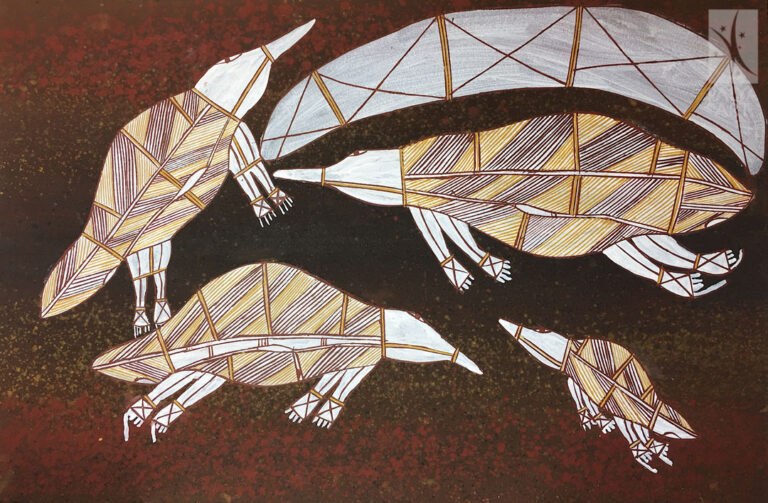
Wanurr Bob Namundja was born in western Arnhem Land to the Kardbam clan in 1933. He spoke Kunwinjku which is part of the Bininj Kunwok language group. During the 1960s, he lived on the Oenpelli Mission in what is now…

Wanurr Bob Namundja was born in western Arnhem Land to the Kardbam clan in 1933. He spoke Kunwinjku which is part of the Bininj Kunwok language group. During the 1960s, he lived on the Oenpelli Mission in what is now…
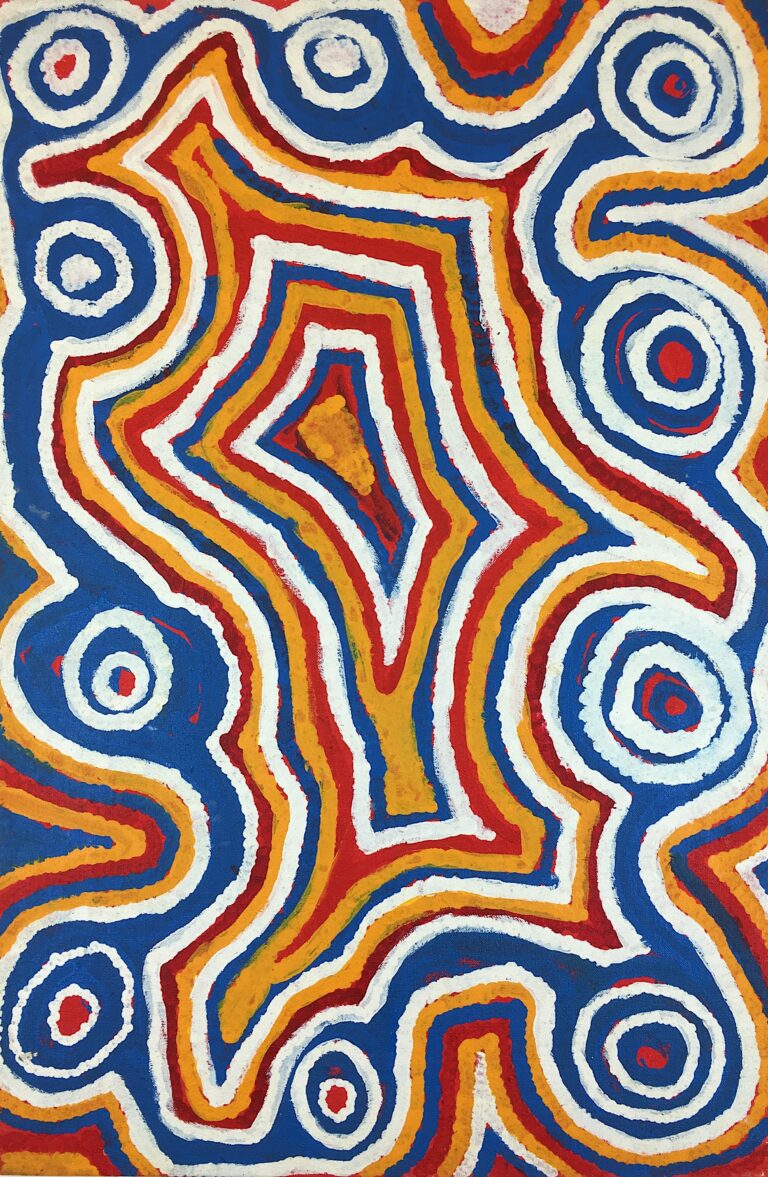
“His paintings frequently show soak holes, rockholes and claypans associated with the area. These are believed to have been formed during the Tjukurrpa or Dreamtime and hold significance that is explained in Men’s Ceremonies. Mick is an important rain man…
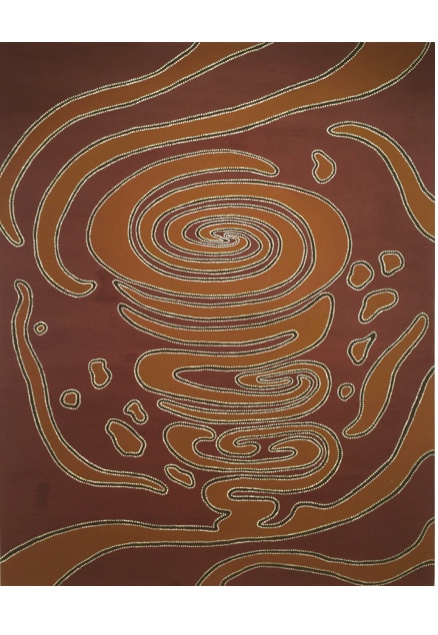
The two lines above the Willy Willy are the winds coming from the east. The two lines on the bottom of the Willy Willy are the winds coming from the West. The centre represents the Willy Willy itself. The lines…
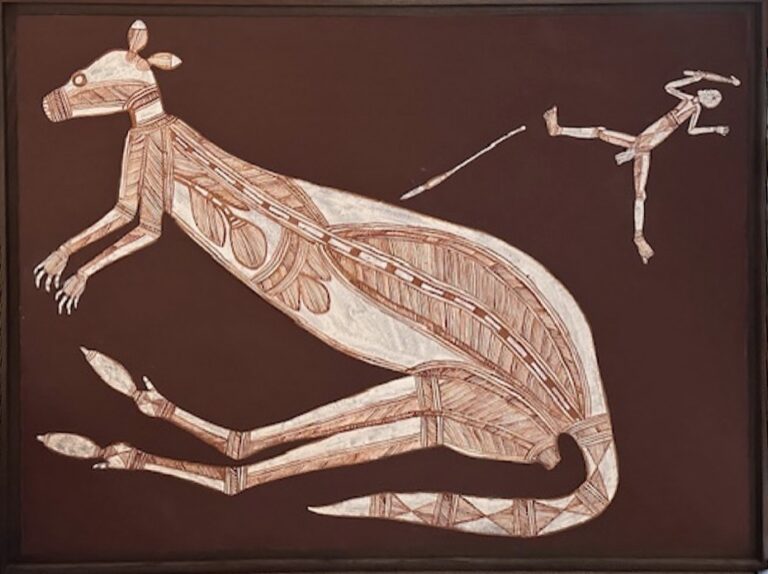
The Museum Of Contemporary Art in Sydney States during the showing of Wamud Namok’s solo exhibition: “Bardayal ‘Lofty’ Nadjamerrek AO, a highly respected senior artist, ceremony man and traditional knowledge-holder who lived and worked in the escarpment country of Western…
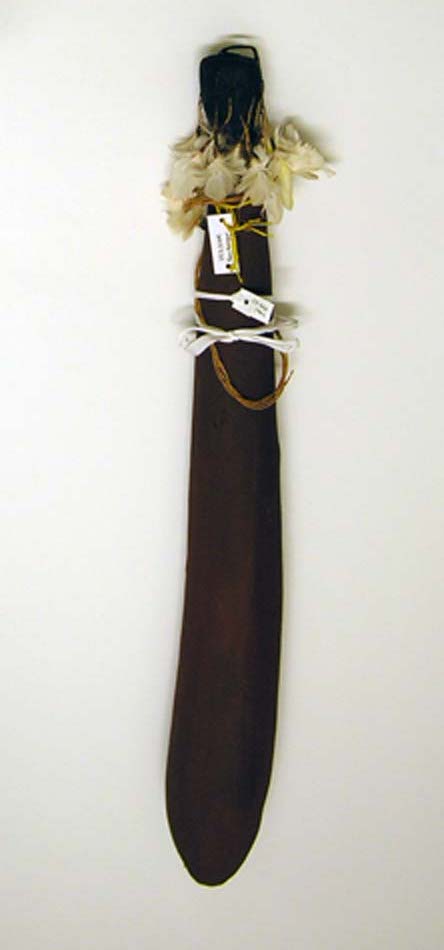
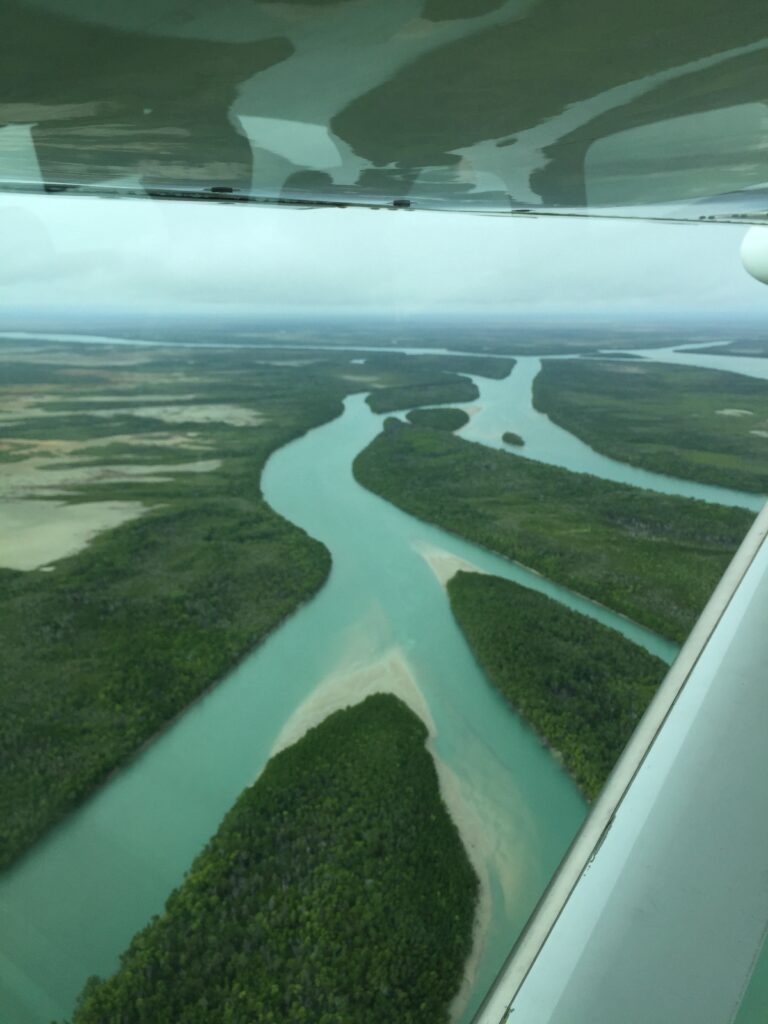
Home of the creators of ‘Larrakitj’ and ‘Lorrkon’ (Hollow Log Sculptures – naming and individual description dependent on each community language group)
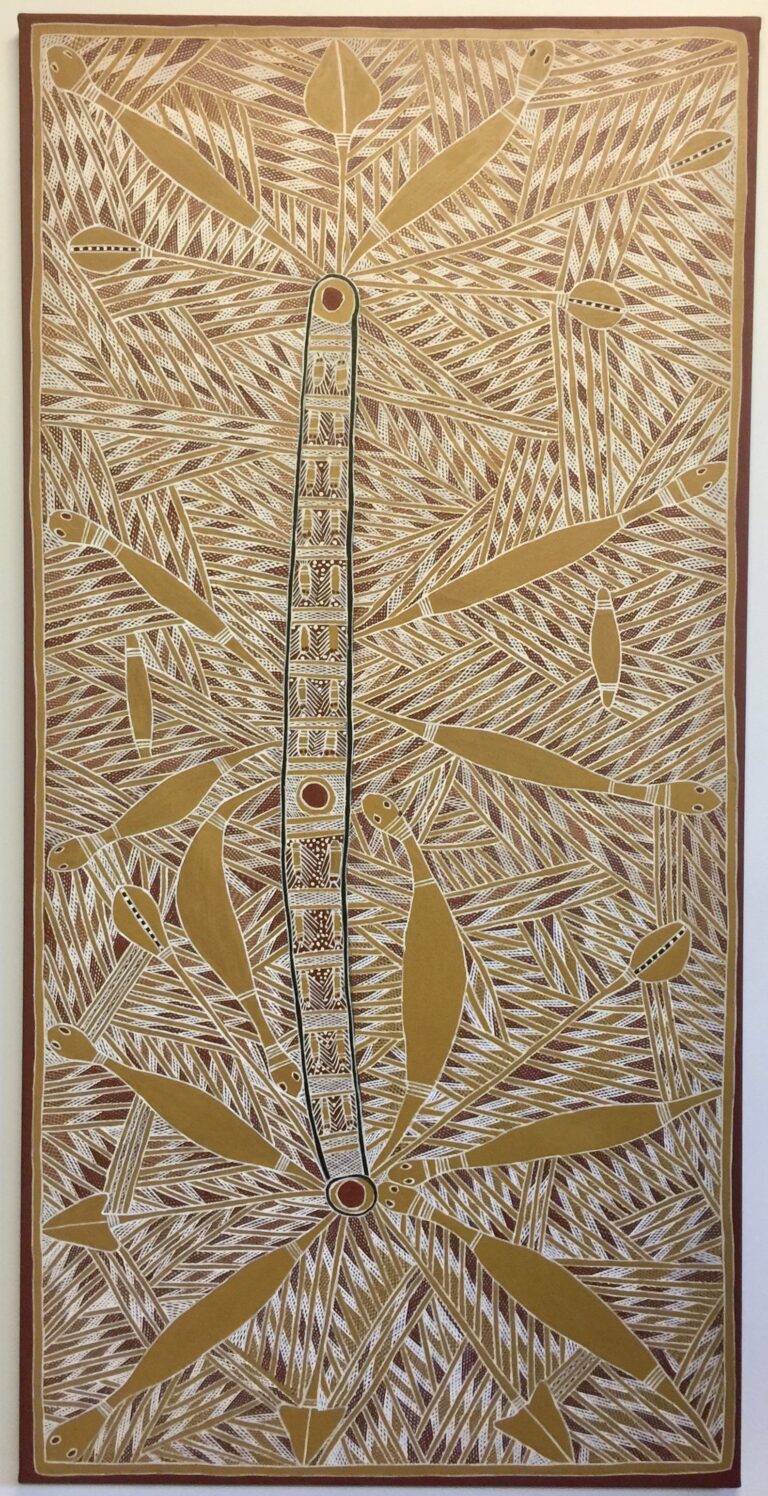
Sourced from from the National Gallery of Victoria archive, James Davidson states:Mathaman’s people refer to themselves as the Yulgnor (The People) and there are no tribes as such in Arnhem Land. The social structure consists of two moieties: the Dhuwa…
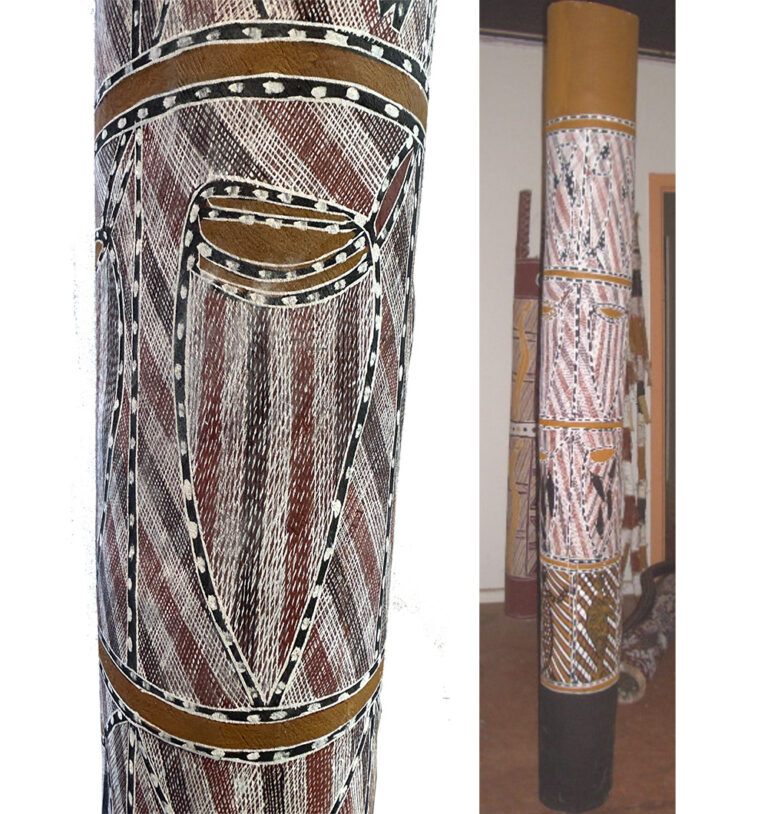
Across Kimberley, Arnhem Land and Central Australia since 1993

Ranging in height from 3005 to 2180 mm these Hollow Logs are known as Lorrkon in the Maningrida area of Central North Arnhem Land and Larrakitj to the Yolngu speaking people of North East Arnhem Land. Stringy-bark trees, hollowed out by…